The Depth of Corruption
How Corrupt is It?
In 2020, I wrote An Advent for the Cosmos because I was struck—not by a new idea, but by a more complete confrontation with an old one. I had never fully grasped the depth of corruption in the cosmos as it unfolds in the story of God’s redemption. The gospel we often hear, while true, is too trimmed down: Adam and Eve sinned, that sin is now ours, and Jesus died to forgive it. That version of the story fits nicely on a flannelgraph board, but it fails to do justice to the immensity of the problem—and the glory of God’s solution.
Yes, Adam and Eve sinned. But theirs was not the beginning, and certainly not the end, of the cosmic mutiny.
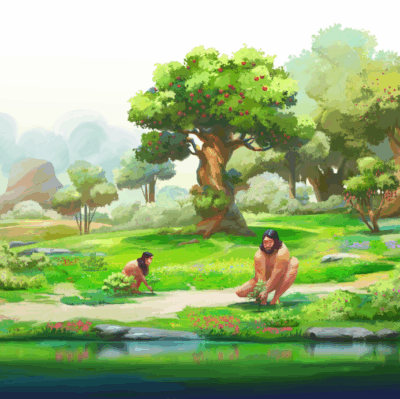
There is a storied trail of rebellion against God, an escalating series of betrayals that stretch from heaven to earth. Satan rebelled before Eden, turning his back on the glory of God and dragging others with him. In the Garden, Adam and Eve aligned themselves with that rebellion, exchanging truth for a lie. Then, as if that fracture wasn’t enough, the sons of God interbred with the daughters of men—an unholy union that brought giants and grotesque evil upon the earth. Later came Babel, where mankind tried not merely to make a name for themselves, but to reclaim the heavens apart from God. Even Israel, chosen and beloved as God’s people to bring a savior into the world, hardened its heart again and again.
Each stage in this narrative isn’t just sin—it’s corruption. It’s decay set into the bones of creation. And not just human nature, but the very hierarchy of the cosmos. Paul writes in Romans 8 that “the whole creation has been groaning together in the pains of childbirth until now.” Creation itself is not innocent in all of this—it has been warped, diseased, made complicit in the rebellion of its stewards and the spiritual powers that influence them.
Creation has earned its corruption.
That’s a sobering thought. It’s also a clarifying one.
Re-Creation
This is why we must be careful not to hope in promises God never made. Many have grown disillusioned because they placed their faith in the idea that life would be smooth, that prayers would be answered in a particular way, or that Christian living would produce worldly success. But God never promised any of that. In fact, He promised something much deeper: that in the midst of a corrupt world, He would redeem a people for Himself. That He would set things right, not just by wiping the slate clean, but by entering the corruption Himself, bearing its weight, and turning death backward.
God’s actual promises are far better than the ones we sometimes invent. They are not fragile hopes propped up by temporary blessing—they are bedrock truths hammered into the story of the world. When we see the scope of rebellion and the depth of corruption, we realize how astonishing it is that God would make any promises to us at all. And that makes those promises infinitely more precious.
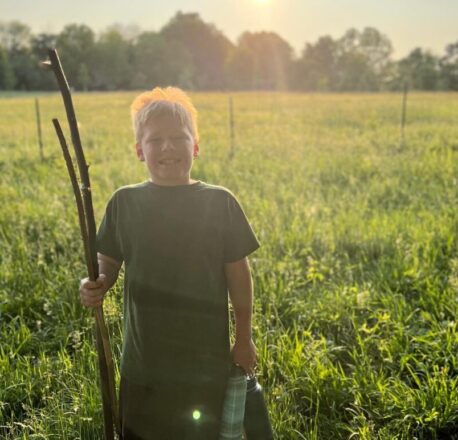
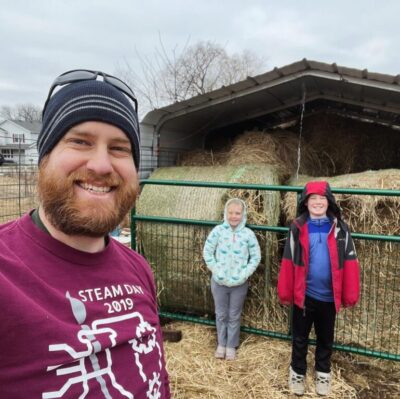
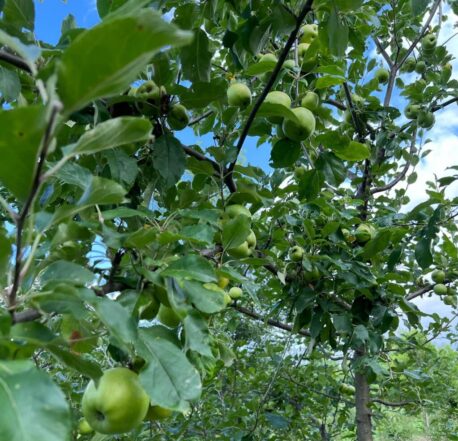
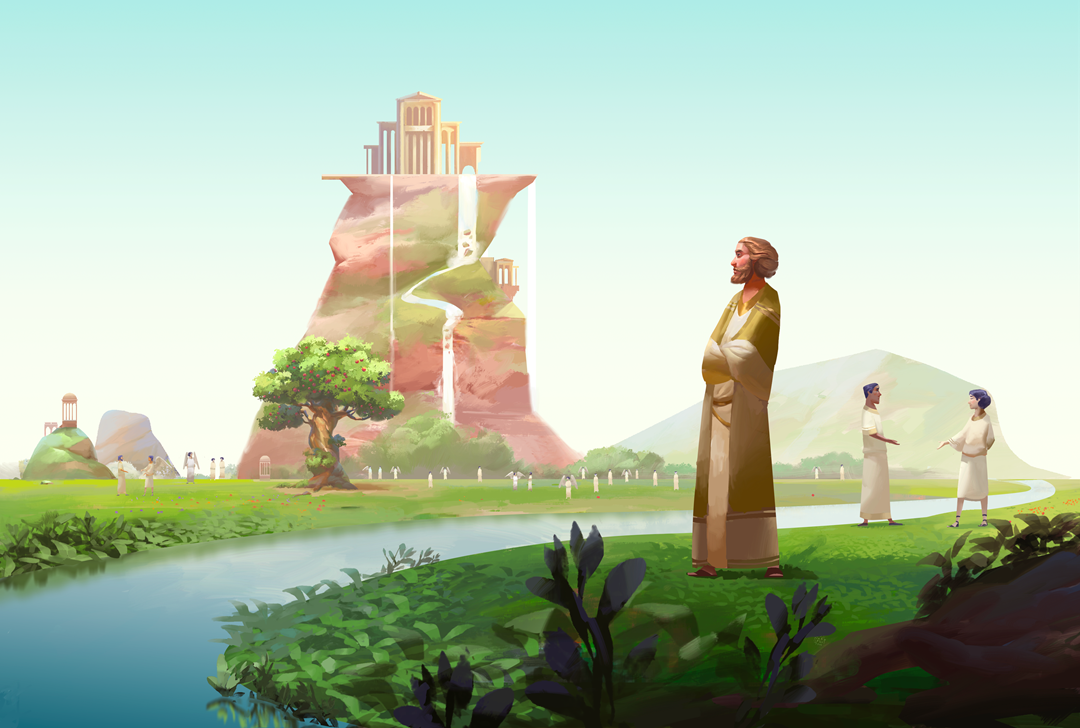
This is part of why I named my farm Middle Eden. The first Eden has fallen—torn by rebellion, haunted by the echoes of its own former glory. But Eden is not gone forever. A final Eden is coming, a re-creation of God’s vision not just for a garden, but for the entire cosmos. Middle Eden stands in that tension: a patch of land that bears the scars of fallenness—weeds, drought, death—but also the hope of renewal. Here, we work the ground with calloused hands, raising animals and food, cultivating life, knowing full well that the soil itself waits for the return of its true King.
Middle Eden is not the beginning or the end. It’s the middle—a witness to the corruption of the world and the certain hope of its redemption. The presence of thorns doesn’t mean God has abandoned us; it means we are still in the story. And if we’re still in the story, then the promise holds: “Behold, I am making all things new.”
In this light, grace is not just a kind gesture. It is a cosmic intervention. Mercy is not leniency—it is rescue. The gospel is not a patch—it’s a complete re-creation.
The rest is gravy.